Frequency Caps and Quiet Hours in Behavioral Trigger Systems
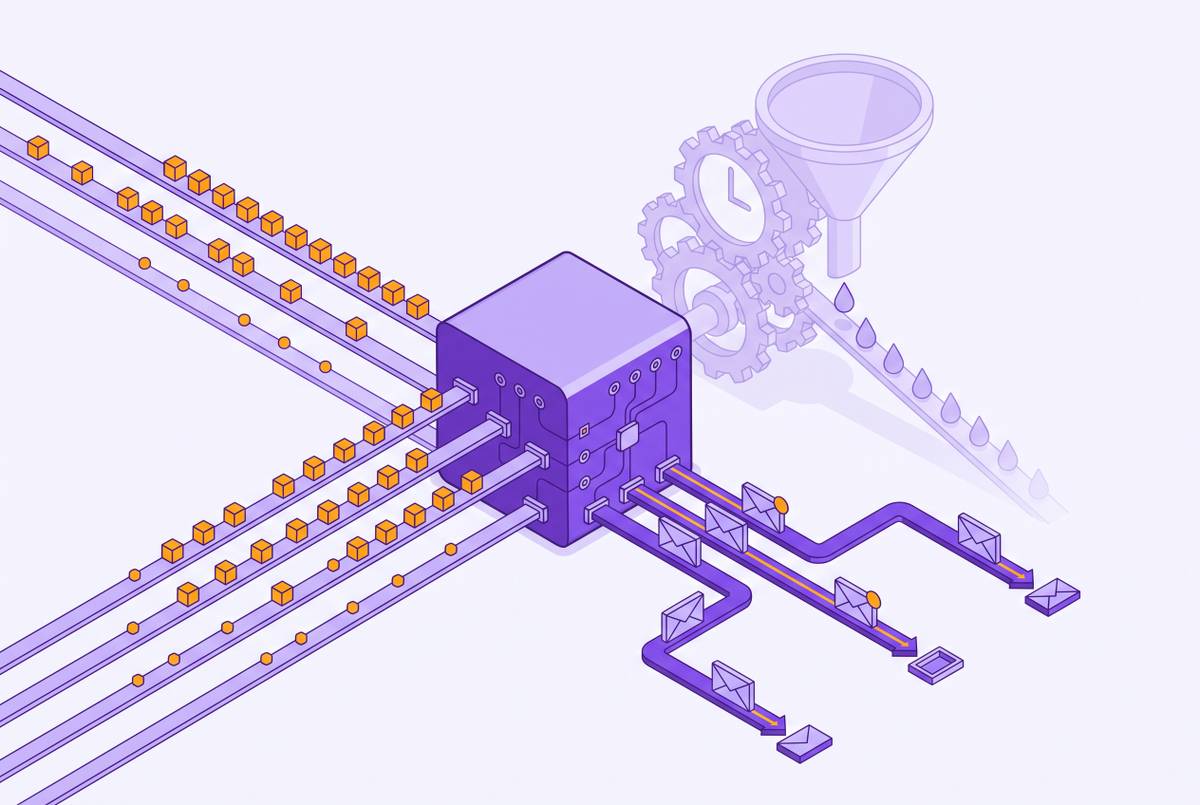
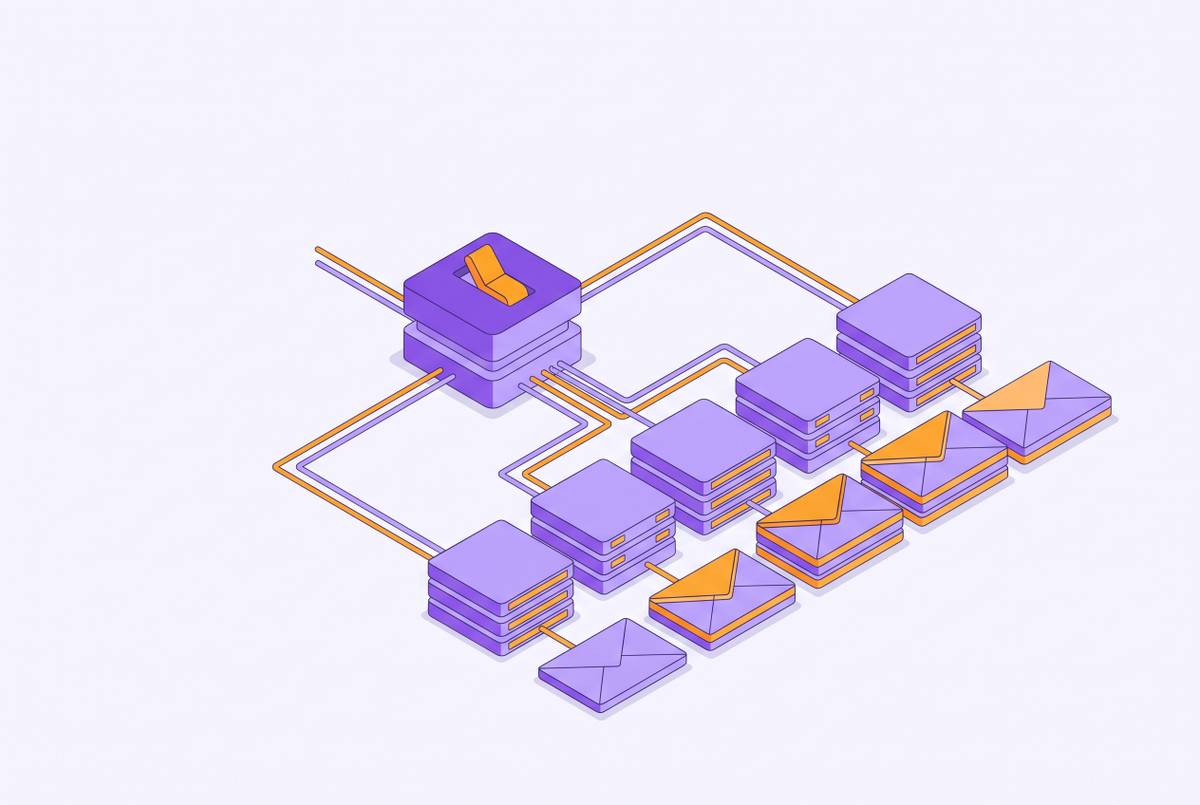
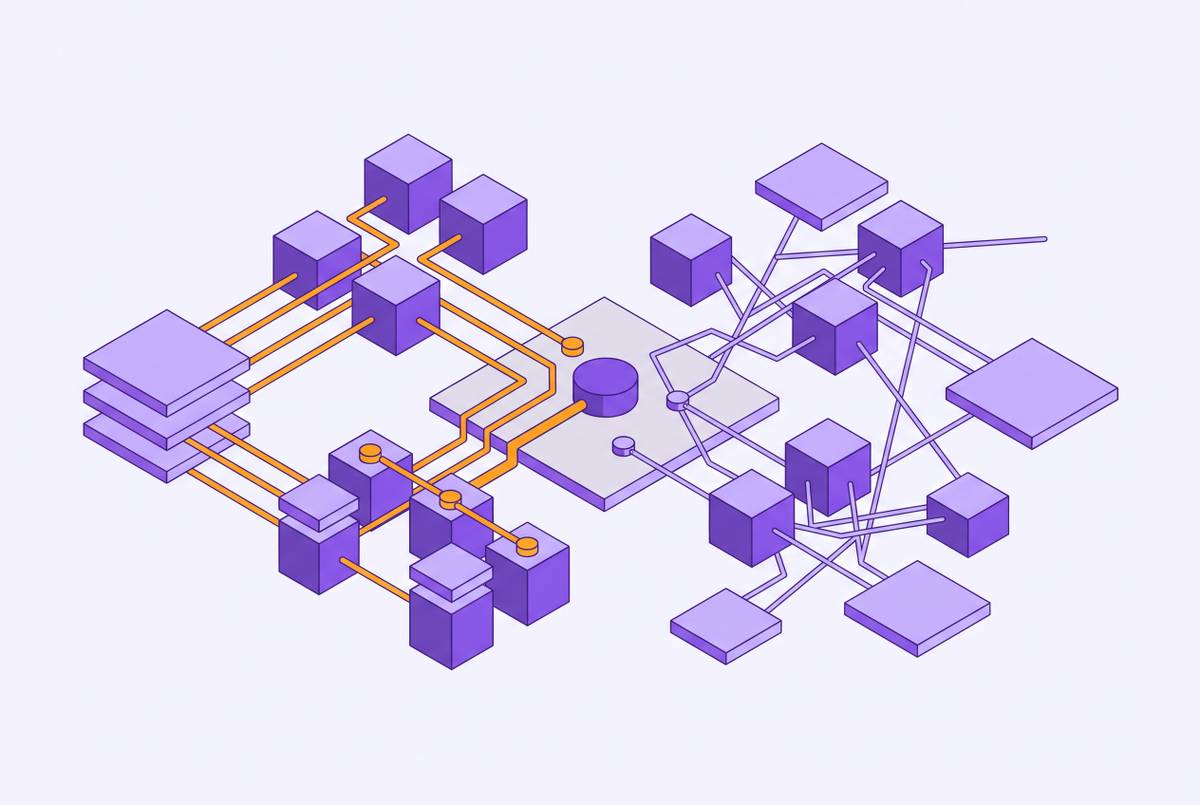
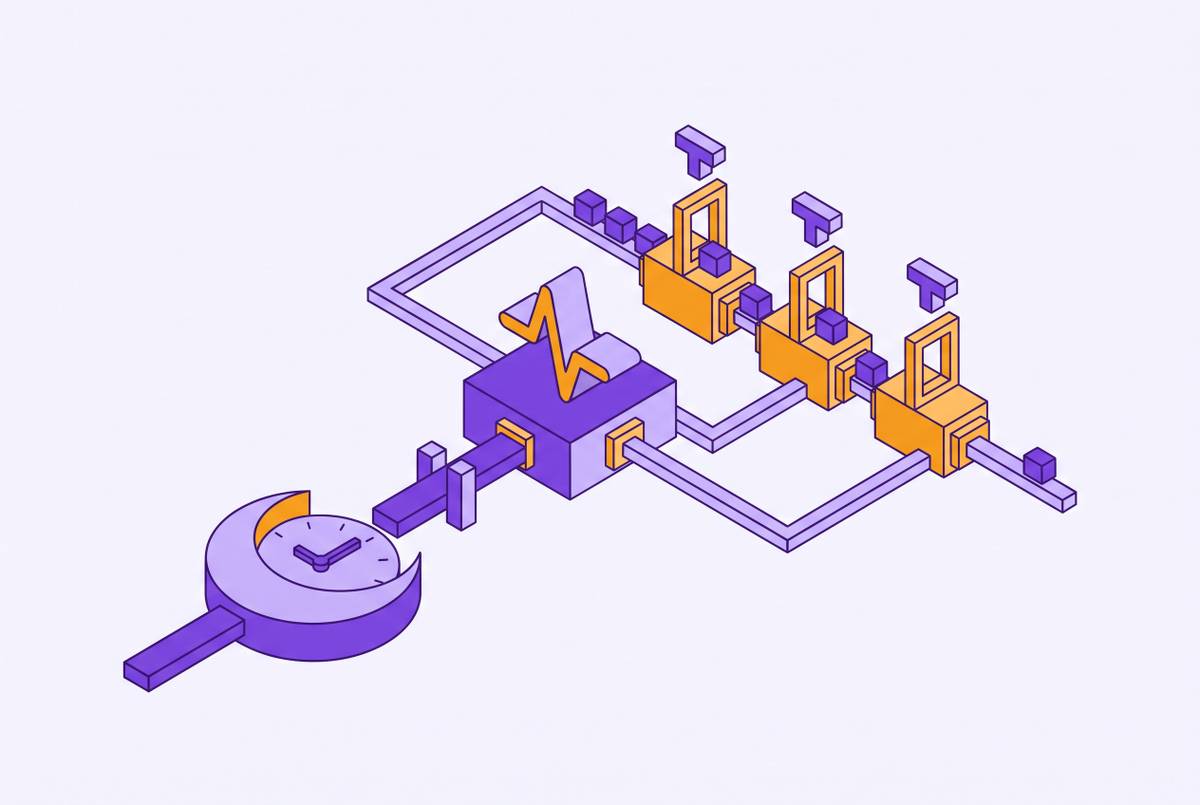
Behavioral trigger systems need gates that separate relevance from permission.
Priya Ravenscroft
Behavioral trigger systems need gates that separate relevance from permission.
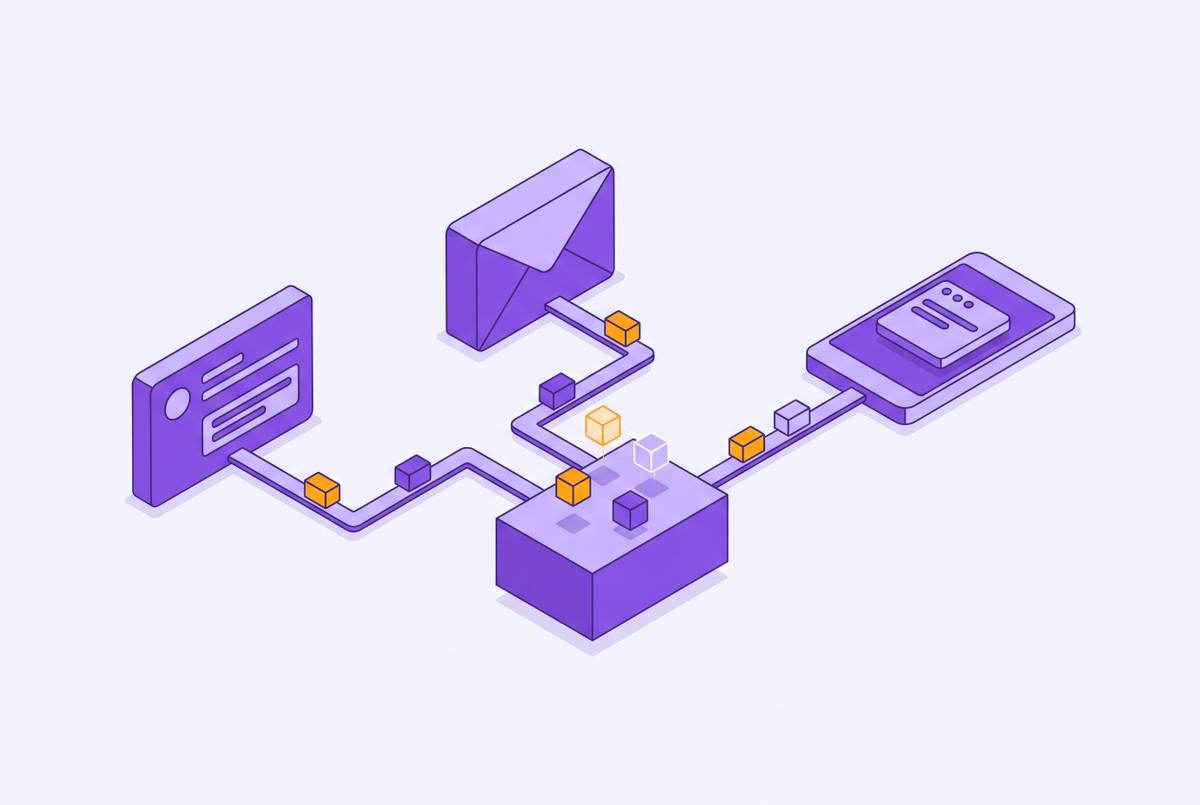
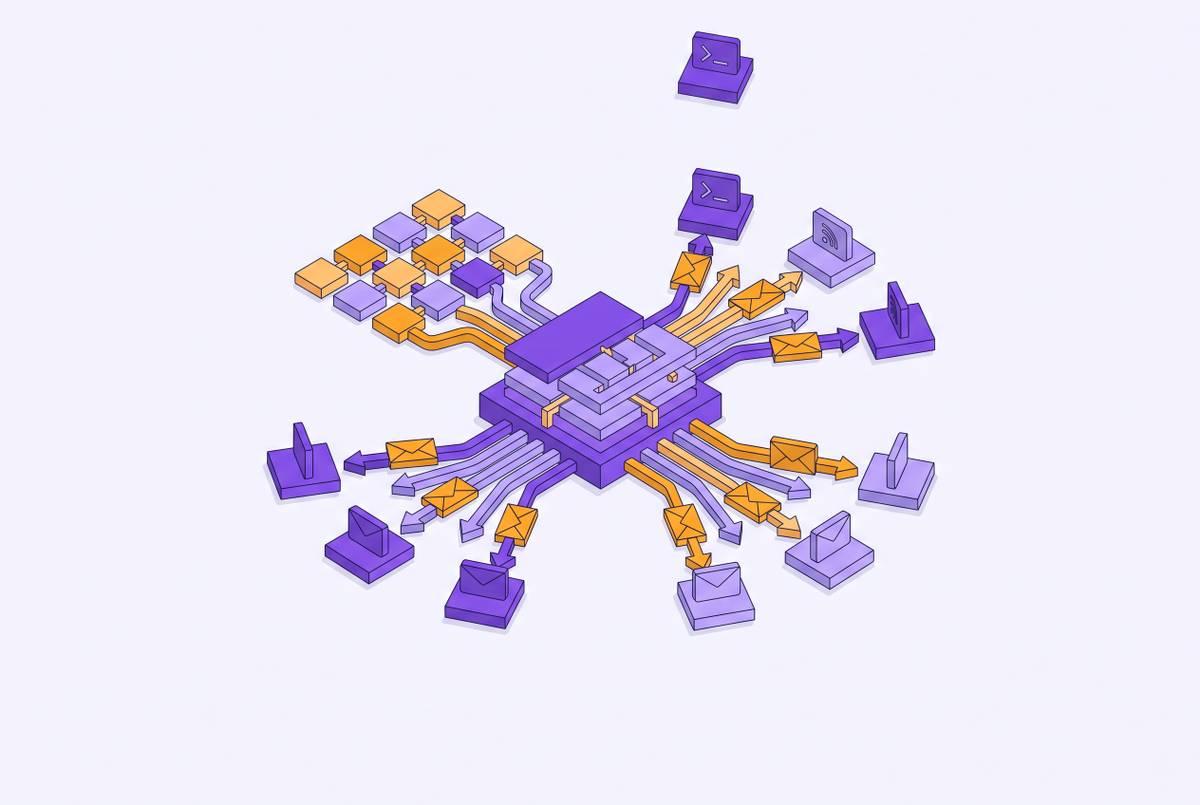
Route behavioral signals to channels based on where users are in their adoption journey.
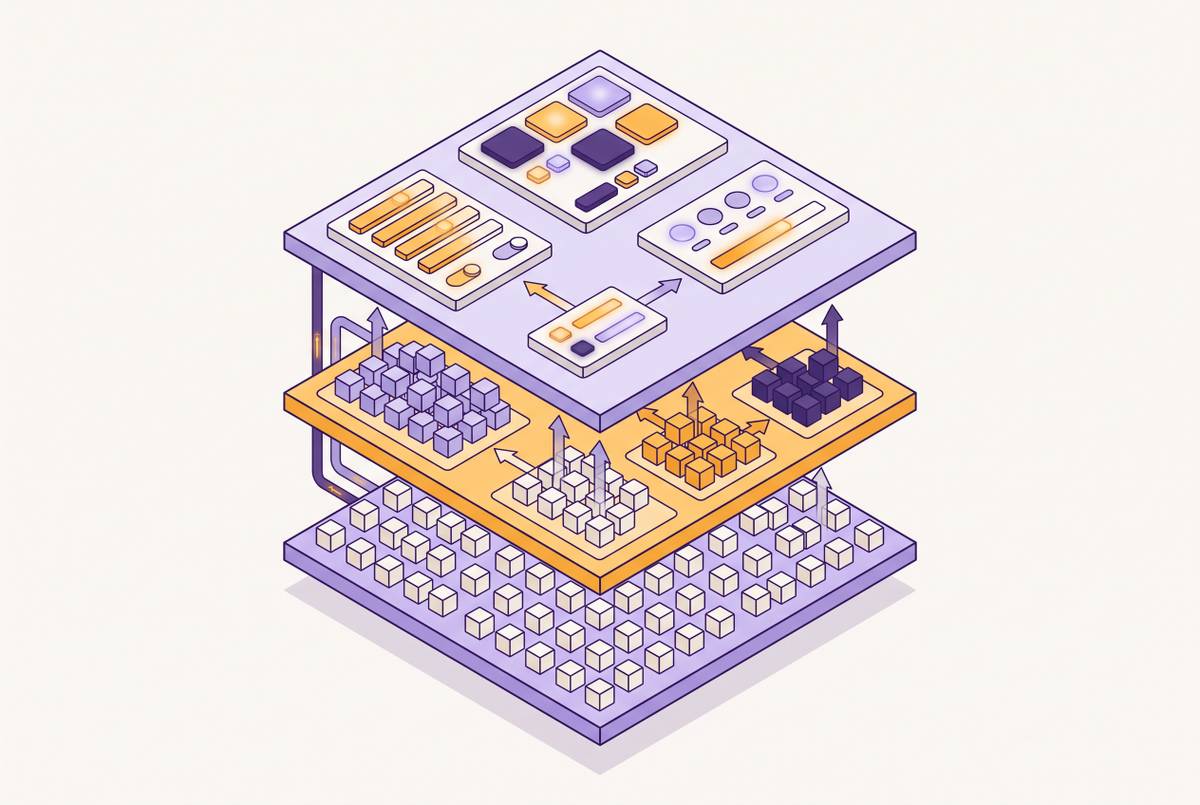
Linking product behavior to account state reveals who's ready to adopt and what message will work.
Targeting adoption efforts to users' actual readiness beats broadcasting to everyone at once.
Behavior-based triggers replace schedules as the engine for onboarding email.
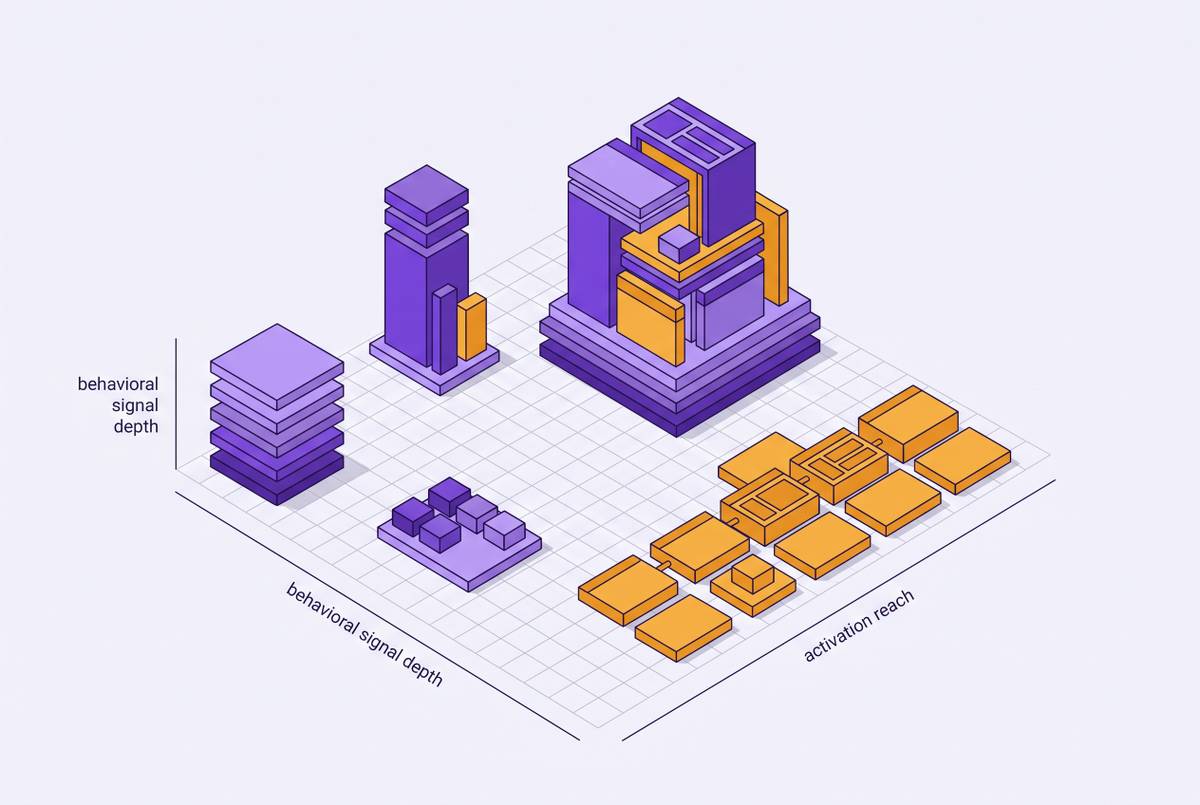
Tools differ in how deeply they read user behavior and what actions they take on that reading.
Behavioral data beats firmographics for predicting which users will adopt features.
Send personalized messages only when product behavior justifies it.
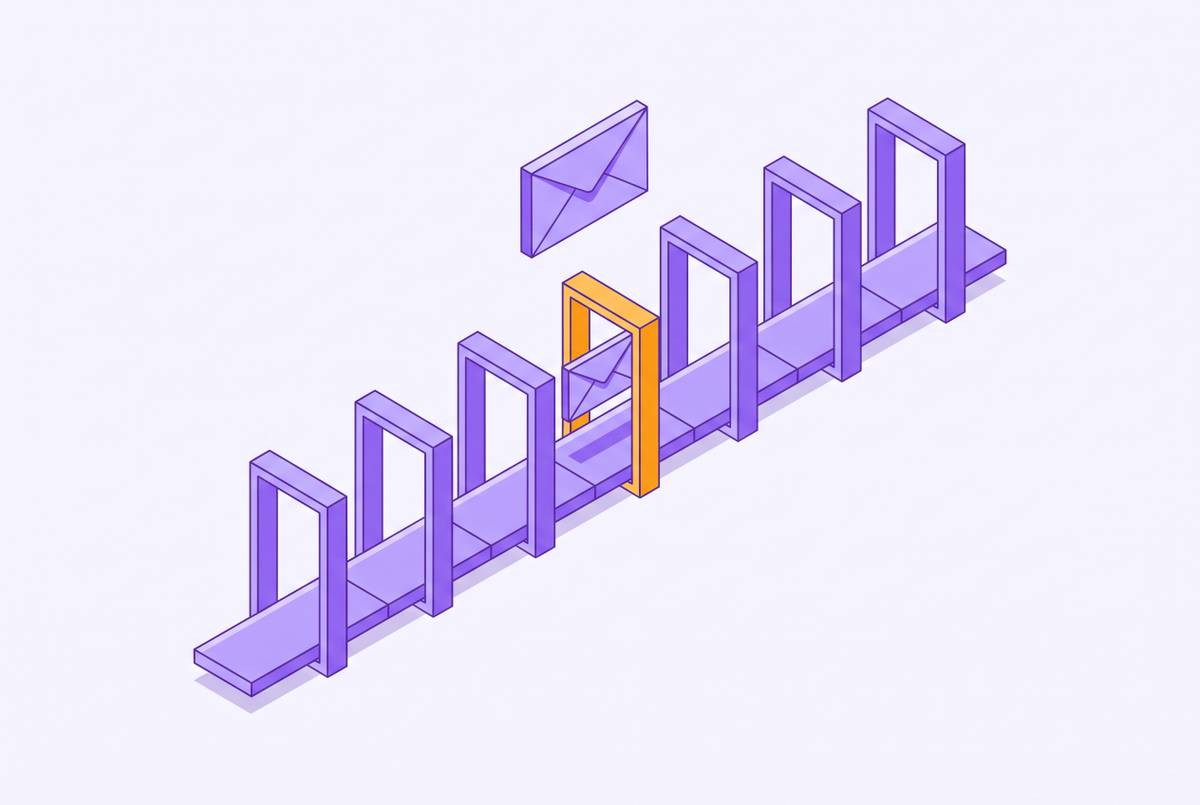
Seven checks separate behavioral email systems from fast drips.
Most behavioral trigger systems send messages to people who shouldn't get them.
Behavioral data can't distinguish accidental clicks from intentional adoption.
Feature depth in your product predicts retention and expansion far better than session time.